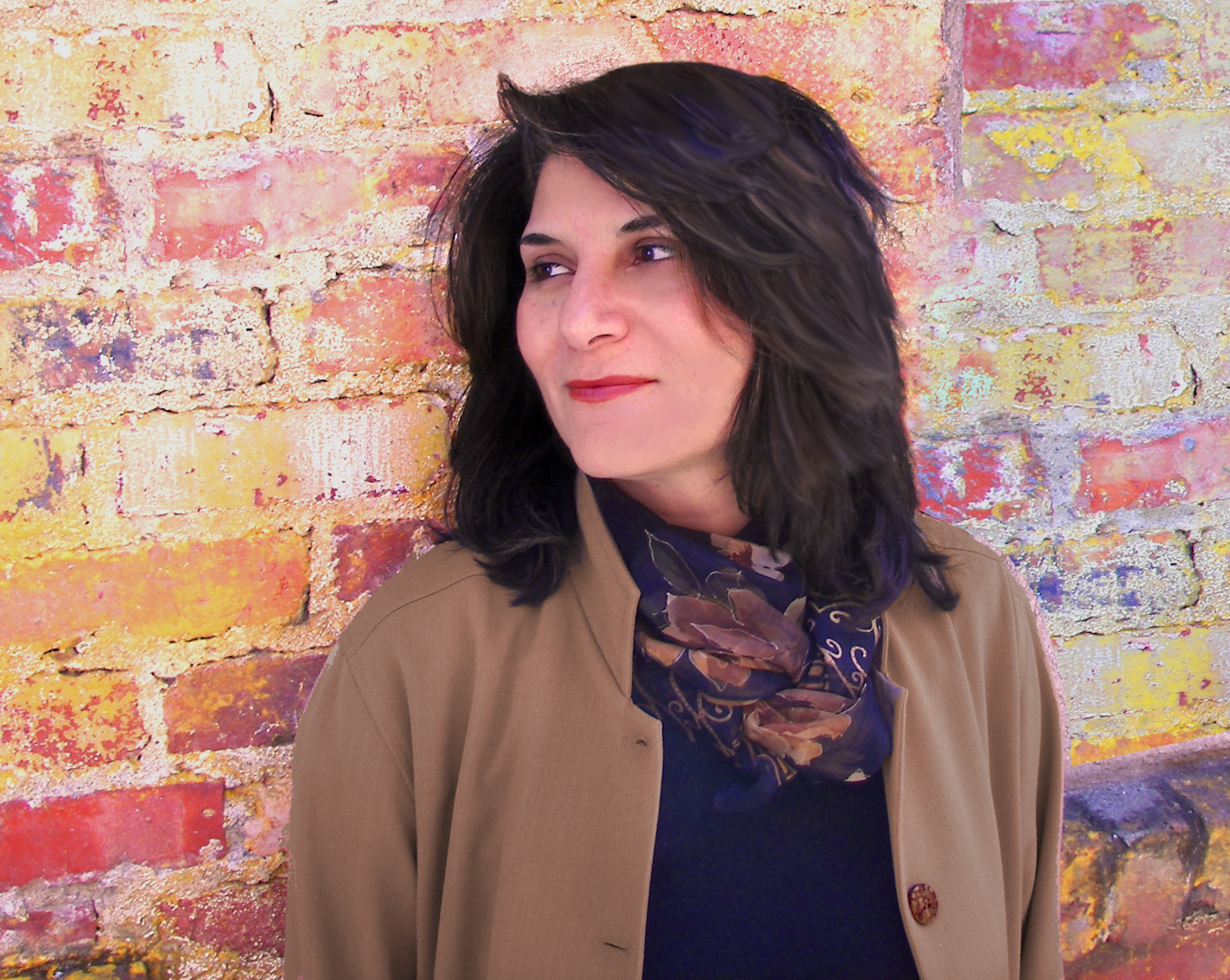
When I think of my mother, Noushin, I think of her warm smile, the ridiculous way she laughed, and the strength she carried in her bones. She was the kind of Iranian mother who instantly made things more regal—not just with objects and design, but with her presence. She taught me that care is an act of devotion. When she died, I learned that grief could be one too.
This post (and podcast episode) of Halva for the Heart is my offering to her. To her memory, to the grief she left in me, and to every Iranian who has lost a loved one in diaspora—far from the soil we come from, far from the rituals we know in our bones but cannot fully name.
The Moment Everything Changed
My mom was diagnosed with cancer when I was 18 years old. I was a freshman at a college far away from home at the time. When the results from her biopsy came back as stage IV terminal brain caner, I knew I had to move home to be closer to her.
My aunt drove me straight from the airport to the hospital. I walked through the doors and was shocked by my mom’s swollen face and the bloody staples in her scalp. I couldn’t help but cry. It was then that the doctor can in and told us she had about 12-18 months left to live.
And they were right. She died 18 months later.
A Book of Memories
When she was nearing her death, I called many of her friends and family who lived further away and suggested they come visit her while she was still active and responsive. Some chose to come, but many didn’t, not wanting to believe that she was going to die soon.
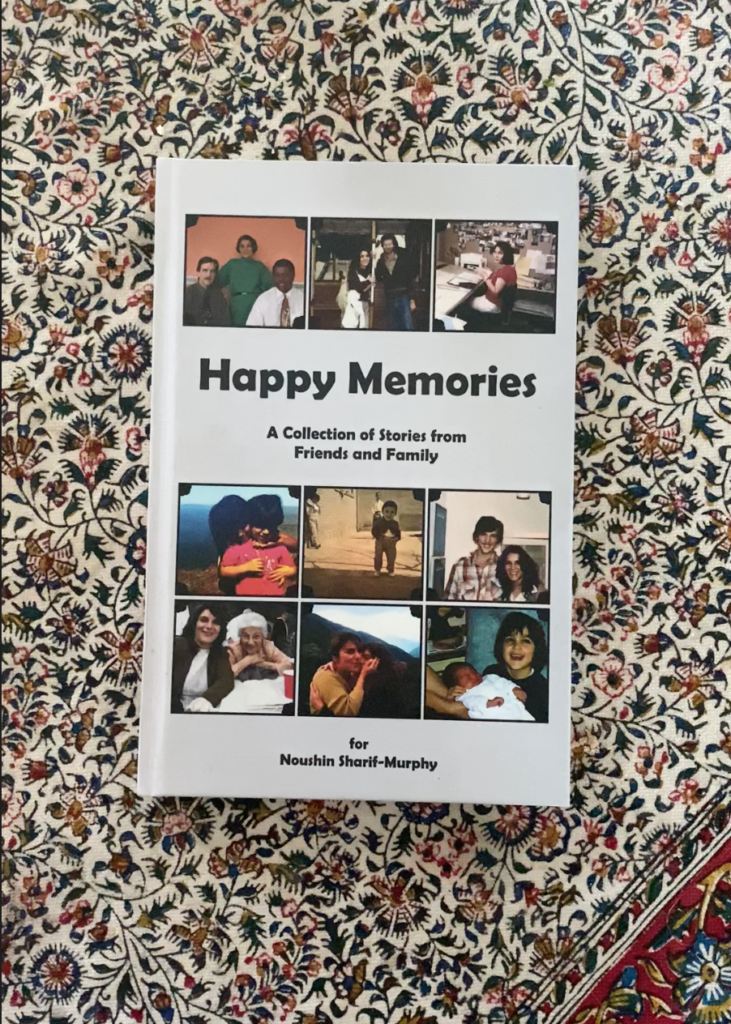
That’s when I had an idea. What if I collected stories and photos from all of my mom’s friends and family and put them into a book for her to read? I decided to call it her ‘Happy Memories’ book. It was a lot of work collecting all those stories and formatting them into a cohesive layout, but I was thrilled that the final print of the book arrived on our doorstep while she was still awake and conscious. She wasn’t able to read it on her own, so I read the stories aloud to her.
She fell into an unconscious state the next day.
At her Bedside
For ten long long days, we sat by her while she laid unconscious in her bed. The first few days, my body completely gave out. I had horrible diarrhea and I wasn’t able to digest any food. I laid in the room where she was exhausted and in pain, but she stayed alive. She stayed alive long enough for my health to improve before she died.
On the tenth night, my sister, aunt, and I were sleeping in the room with her while my dad was supposed to be sitting watch. Instead, he fell asleep. And it was during that moment when we were all asleep, that my mom knew it was time to die.
What she didn’t know is that both I and my aunt miraculously woke up at the exact same time and heard her take her last breath. I remember laying there in the bed after having abruptly woken up in the middle of the night. I heard her take a labored exhale, and then I began to count the seconds, just as the hospice nurse had taught us. I began counting, and I kept counting… and kept counting… and kept counting… until I reached to about 85 seconds and that’s when my aunt sat up and said, “I think she’s gone.”
And she was.
The Moment of Death
I was not raised in a religious household. I always thought of myself as an atheist. But in that moment, it was impossible to deny that her spirit was in that room with use, filling up the space around us, watching us look at her body.
It was that miraculous moment that started my spiritual awakening. I don’t think anyone who has witnessed a death can remain an atheist, and I feel sorry for those who don’t have any sense of spirituality, because it has become my source of guidance.
My Death Work
My work as a death doula is dedicated to my mom. She taught me so much, in both her life and her death. I dream of my death work helping families find closure and peace at the end of their loved one’s life. I dream of communities knowing how to care for their own Dying and Dead, so that they can reclaim agency at such a tender moment. I dream of our grief being openly acknowledged and embraced by the larger community. I dream of grief work rehumanizing the world, helping us all to find empathy for each other.
Why Halva for the Heart
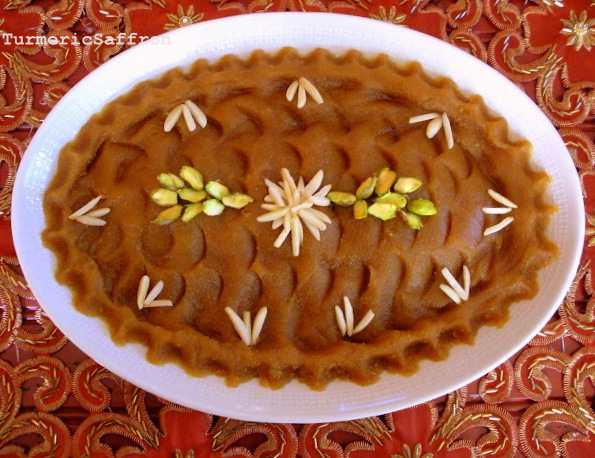
When it came time to name my podcast & blog, I wanted to convey a sense of comfort and warmth at the time around death. Because my mom was Iranian, I always grew up eating my grandmother’s halva when we went to funerals or visited the cemetery. Iranian halva looks like chocolate pudding, but it’s texture is thicker, like clay or molasses. It’s very earthy and grounding. And it’s a very old dish.
Iranians have been maing halva for thousands of years. I like to imagine that women have been gathering around stoves for centuries after someone has died, to take turns stirring the halva pot, crying into the mix, and being comforted by the others.
If you’ve never made halva, it’s a before laborious task. It takes a lot of arm strength to stir it! And I think that’s exactly why it makes such a good mourning food. The physical labor exerted to make halva helps the body move some of the grief, instead of letting it get trapped inside. It’s the same way that digging a grave is also healing for the bereaved. The repetitive rhythmic movement – similar to walking as I mentioned in the previous post – helps the body integrate the grief in a healthy way.
This is ancestral wisdom.